

As winter eases in Central Texas, we should assess our asphalt for freeze–thaw cracking, moisture intrusion, and raveling that compromise PCI and skid resistance. Minor fissures widen under traffic and UV, accelerating base failure and liability risk. Late winter to early spring offers ideal temperatures and surface dryness for ASTM-compliant sealing. We’ll compare route-and-seal vs. clean-and-fill, quantify lifecycle cost savings, and outline when DIY falls short, so you can act before small defects become capital projects.
Why Asphalt Cracks After Winter
Although Central Texas winters are short, rapid freeze–thaw swings and cold nights create crack-driving stresses in asphalt. We see crack formation when temperature fluctuations cause surface expansion/contraction, then moisture penetration exploits microfissures and weakens the base. As pore water freezes, volumetric expansion increases tensile strain; thawing reduces support, accelerating winter impact under traffic stress. Cooler months raise stiffness in aged binders, lowering strain tolerance and propagating cracks. To minimize recurrence, we recommend asphalt maintenance aligned with ASTM and FHWA guidance: prompt sealing as a preventative measure, drainage improvements, and calibrated repair techniques (crack sealing, patching, overlays) selected by condition surveys and deflection data.
Common Types of Asphalt Cracks in Central Texas
With winter-driven stresses in mind, we categorize the crack patterns Central Texas owners most often see so repairs match the mechanism and severity. Using crack identification techniques, we distinguish longitudinal cracks from traffic and joint weakness; transverse cracks from thermal cycling; block cracking from aged binders; edge cracking from shoulder loss and drainage; and early pothole formation from raveling and moisture. We quantify environmental impact factors, freeze–thaw events, UV, and heavy axle loads, to select repair material options: hot-pour sealants, mastic, infrared patching, or full-depth patch. Maintenance frequency recommendations: annually for sealing, quarterly inspections. We provide cost analysis comparisons to optimize lifecycle performance.
Why Small Cracks Should Never Be Ignored
Because minor fissures are open pathways, small cracks rapidly admit water that weakens the base and subgrade, accelerates raveling, and magnifies traffic stresses into potholes. We’ve seen this progression quantified: moisture intrusion can cut structural life by 30–50%, and unit repair costs rise exponentially once base failure begins. Ignoring cracks elevates safety hazard awareness issues, trip-and-fall, skids, and vehicle damage, expanding liability. Our crack prevention strategies prioritize moisture control methods (edge drainage, sealed joints, positive surface slope) and seasonal maintenance tips timed before peak rain events. Preserving ride quality and curb appeal protects asset performance and mitigates property value impact while containing lifecycle cost.
When Is the Right Time to Repair Cracks?
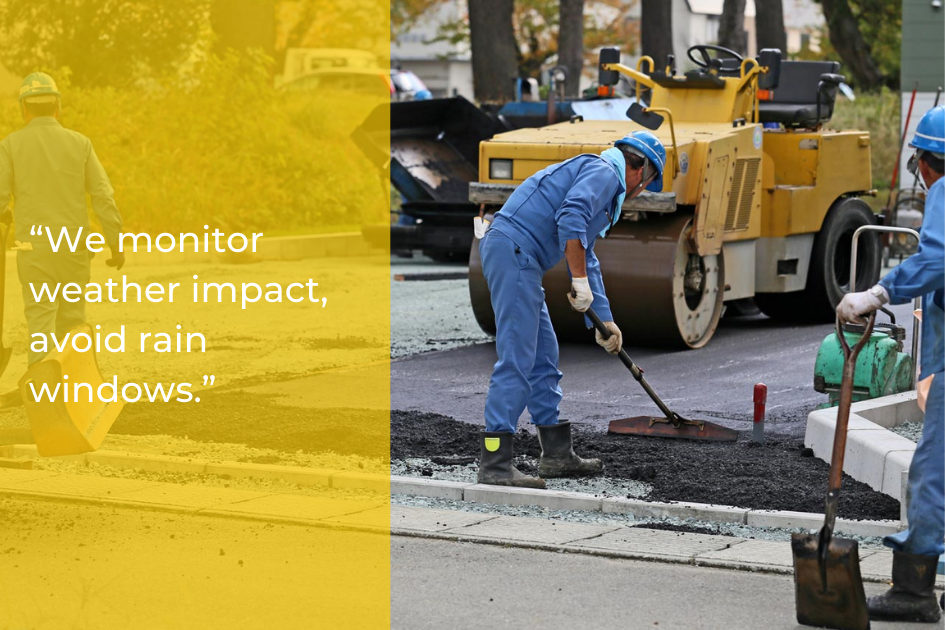
If we’re targeting performance and cost control, we schedule crack repairs in late winter to early spring, when Central Texas pavements are coolest, thermally contracted, and typically drier. This timing optimizes sealant penetration and adhesion, reduces moisture entrapment, and minimizes rework. Our timing strategies reflect seasonal considerations: cooler substrates widen cracks for better fill, while moderate daytime highs speed cure without overheating. We monitor weather impact, avoid rain windows, high winds, and dew points near surface temperature. Early intervention limits water ingress and base damage, lowering cost implications over the lifecycle. Smart repair scheduling also avoids peak-season delays, contractor bottlenecks, and price surges.
Professional Asphalt Repair Methods
Even as timing sets the stage, results hinge on selecting and executing the right repair method to spec. We start with a sealing methods overview: route-and-seal for working cracks, clean-and-fill for non-working cracks; both reduce water ingress. For potholes, we mill, square edges, apply tack, place hot-mix, and compact to density. Partial-depth repairs remove distressed layers to the sound base, then patch with polymer-modified mixes. Surface leveling (skimming) restores the profile before seal or overlay. When fatigue spans >25–30% area, resurfacing is warranted. We compare repair material options, verify compaction and bond, and weigh cost considerations against long-term benefits.
DIY Repairs vs. Professional Asphalt Repair
Method selection sets performance, and the same holds for who performs the work. We see clear DIY limitations: store‑bought sealers often lack polymer content and fine-aggregate loading, yielding a short lifespan (typically 6–18 months). Application risks increase without calibrated crack routing, hot-pour temperatures, or compaction standards (ASTM D6690, D6925). By contrast, professional benefits include material grading, substrate prep, and QA that improve bond and watertightness.
Cost comparisons must span the lifecycle: DIY appears cheaper upfront, but higher failure rates drive repeated mobilizations. Longevity factors favor spec-grade binders, proper joint geometry, and density targets. Result: professional work delivers lower total cost and more reliable performance.
How Asphalt Repair Extends Pavement Life
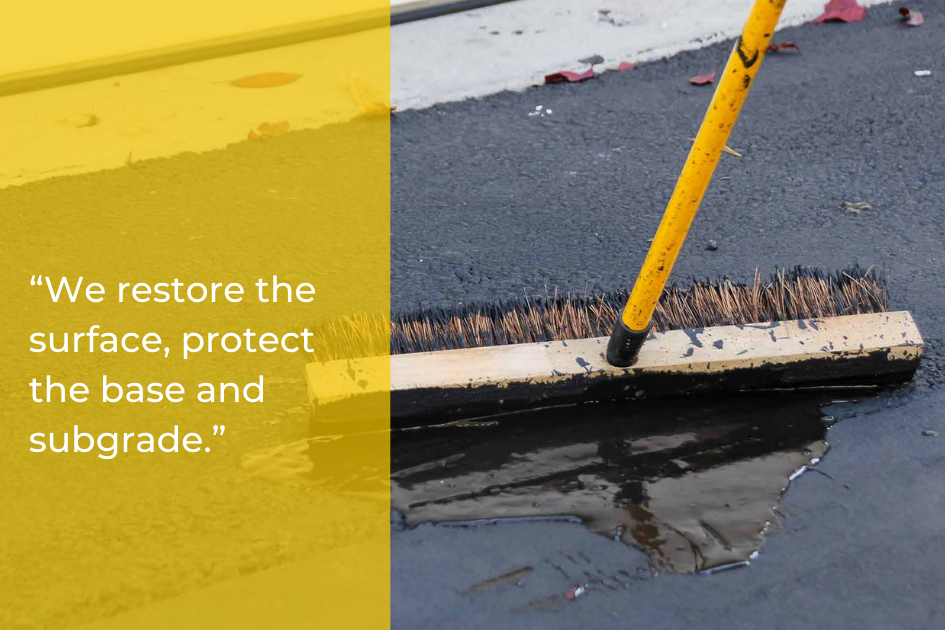
Because distress propagates downward and widens under traffic and water, timely asphalt repair interrupts that failure chain and preserves pavement service life. We restore the surface, protect the base and subgrade, and re-establish proper load transfer, delivering measurable asphalt longevity benefits. Our pavement maintenance strategies include full-depth patching where base integrity is compromised, skin patching for raveling, and effective sealing techniques for crack networks to prevent infiltration. With Central Texas temperature swings and rain, seasonal repair considerations matter: we seal before wet seasons and overlay when surface oxidation is evident. These actions prevent surface breakdown, support future sealcoating cycles, and yield tangible property value enhancement.
Who Should Schedule Winter Crack Repairs
Who benefits most from winter crack repairs? We recommend action for commercial property owners, retail centers, office parks, HOAs, residential communities, schools, churches, and homeowners with aging driveways. Winter’s weather impact, freeze–thaw cycles, and deicing salts, widen microcracks and accelerate raveling. Conduct a crack assessment using ASTM D6433 distress identification and prioritize repair scheduling before spring traffic loads rise. For property maintenance, address longitudinal and block cracking >1/8 inch with hot-pour sealants meeting ASTM D6690. Homeowner responsibilities include inspecting edges, downspout discharge paths, and high‑stress turning areas. Early intervention reduces water intrusion, preserves subbase integrity, and lowers lifecycle costs by preventing patching or overlays.
Why Choose Bennett Paving for Asphalt Repair
With winter crack assessments underway and ASTM D6433 findings in hand, choosing a contractor that executes to standard matters. At Bennett Paving, we align repairs to Pavement Condition Index data, local climate loads, and traffic categories. Our local expertise guides mix designs and sealants that resist Central Texas thermal swings and moisture infiltration, driving customer satisfaction.
1) We specify quality materials, PG-graded binders, DOT-accepted aggregates, and hot-pour sealants meeting ASTM D6690.
2) We apply proven repair techniques, routing, crack sealing, and full-depth patches, per ASTM and TxDOT specs.
3) We deliver timely service with responsive scheduling, minimizing downtime and preserving lifecycle value.
Conclusion
As winter fades, we can’t afford to let small cracks become costly failures. Studies show sealing cracks early can reduce lifecycle pavement costs by up to 50% and extend service life by several years. In Central Texas, late winter to early spring offers ideal temperatures and humidity for sealants to bond properly. Whether route-and-seal or clean-and-fill, timely, standards-based repairs mitigate moisture intrusion, prevent raveling, and preserve structural capacity. Let’s act now to safeguard performance, safety, and long-term value.
Ready to get started? Contact Bennett Paving in Austin, TX, today to schedule a no-obligation pavement assessment and receive a prioritized repair plan tailored to your property. Call us or book online now to lock in optimal spring scheduling.
