
Spring is one of the best times for property owners in Austin and Central Texas to check the condition of their parking lots and driveways. After months of temperature changes, rain, and daily traffic, small cracks, drainage issues, and faded striping often begin to appear. When these problems are addressed early, they are usually simple and affordable to fix. When they are ignored, they can quickly grow into potholes, uneven surfaces, and more costly repairs. A seasonal asphalt maintenance check helps keep pavement safe, attractive, and performing well throughout the year. In this guide, we’ll walk through a practical spring asphalt maintenance checklist so you know exactly what to inspect and when to schedule repairs.
Why Spring Is the Best Time for Asphalt Maintenance
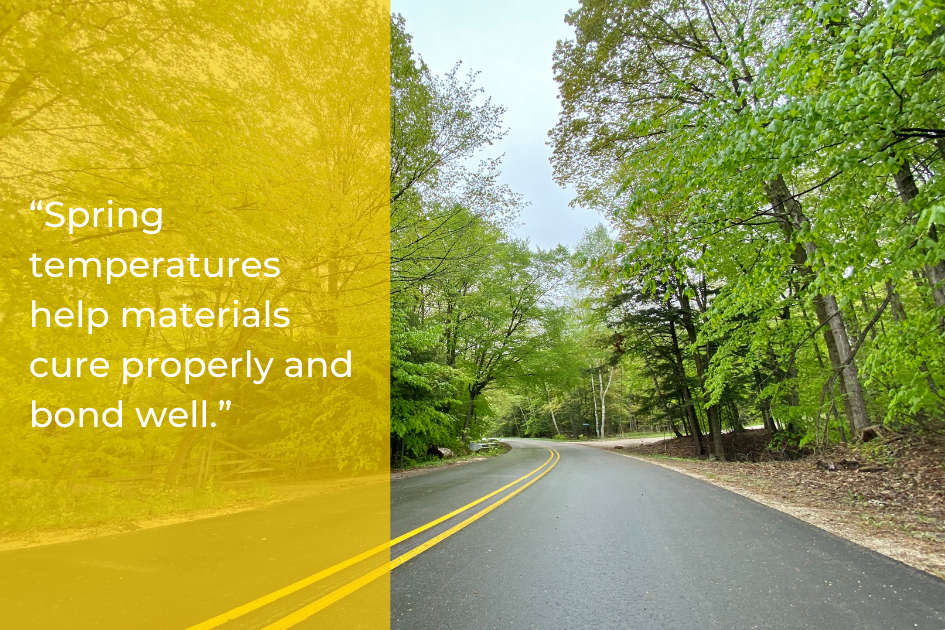
Because Central Texas finally settles into milder, more predictable spring temperatures, we can clean, patch, seal, and repair asphalt under conditions that help materials cure properly and bond well. With stable spring weather, we’re less likely to trap moisture or rush work before sudden freezes or extreme heat. Early spring also reveals winter damage, small cracks, edge breakup, and raveling, which can become safety hazards and invite water into the base. If we address them now, we’ll reduce costly summer blowups, protect striping, and maximize asphalt longevity for your driveway or parking lot.
Step 1: Inspect Your Asphalt Surface
Start with a quick walk-through of your driveway or parking lot and inspect the surface closely for cracks, potholes, fading, drainage problems (like standing water), and uneven areas that could trip pedestrians or damage vehicles. We’ll note where issues cluster near curbs, downspouts, dumpsters, or high-traffic turns, since these zones fail first. Bring a phone to photograph trouble spots and track changes over time. Catching problems early protects asphalt longevity, helps us plan smarter maintenance frequency, and prevents small defects from becoming expensive disruptions. If water isn’t shedding, we’ll flag it for evaluation before damage spreads.
Step 2: Repair Cracks and Small Surface Damage
Seal cracks as soon as we spot them, even if they look minor. In Austin’s spring rains, water slips into hairline openings, softens the base, and speeds up pavement failure. That damage can turn into uneven edges that catch heels, carts, and tires, so fixing it is a safety priority. With professional crack sealing, we clean and dry the crack, route it when needed, and install the right sealant to block moisture and debris. For small surface defects, targeted asphalt repairs restore tight, smooth connections and protect the structure. Early work costs less than later reconstruction.
Step 3: Address Potholes and Surface Wear
Treat potholes and worn spots like urgent repairs, not cosmetic touch-ups. They form when water slips through cracks, weakens the base, and then traffic and Austin heat break the surface apart. Left alone, potholes grow fast, create trip hazards, and can damage tires, suspensions, and shopping carts. For pothole prevention, we fix the root: remove loose material, square the edges, dry the cavity, apply tack coat, and compact hot mix or infrared patching. Restoring a smooth profile boosts surface durability and saves you from bigger, costlier failures in both lots and driveways.
Step 4: Schedule Sealcoating for Protection
Once we’ve patched potholes and restored worn areas, we’ll lock in those repairs by scheduling sealcoating to shield the surface from Central Texas sun, rain, oil drips, and daily traffic abrasion. Sealcoating benefits include blocking UV oxidation, slowing moisture intrusion, and reducing raveling that can create loose aggregate and slip risks. It also darkens the pavement, helping us spot new cracks early and plan repairs before costs climb. For best application timing in Austin, we’ll target spring’s mild, dry weather and allow proper cure time before reopening to vehicles and pedestrians.
Step 5: Refresh Parking Lot Striping and Markings
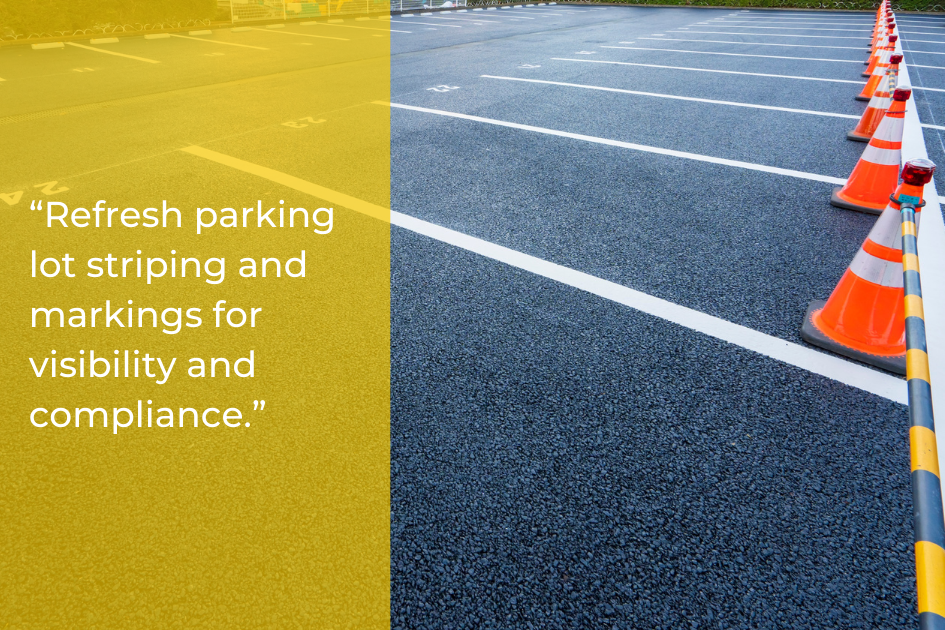
Next, we’ll refresh parking lot striping and markings so every stall, aisle, fire lane, crosswalk, and ADA space stays easy to see and legally compliant. Fresh, visible markings reduce fender-benders, wrong-way turns, and pedestrian conflicts by guiding drivers and walkers clearly through entrances, aisles, and crossings. They also support ADA compliance with correctly sized access aisles, symbols, and signage locations. We typically restripe after sealcoating because the new, dark surface boosts paint adhesion and contrast, helping lines last longer. Clear striping upgrades curb appeal, making your property look maintained and professional without major capital expense.
Step 6: Evaluate Drainage and Water Flow
One of the biggest threats to asphalt is standing water, so we start by walking the site to spot low areas, ponding, and any drains, swales, or curb lines that aren’t moving runoff the way they should. We note where water pooling lingers after rain, then check for clogged inlets, sediment, or turf that’s blocking flow. Next, we look at grading: even small dips can push water into cracks and weaken the base. Smart drainage solutions, regrading edges, adding a swale, or cleaning drains cost less now than rebuilding failed pavement later.
Who Should Perform Spring Asphalt Maintenance
Spring maintenance is a team effort, and we match the work to the property’s risk, traffic load, and liability exposure. Commercial property owners at retail centers and office parks should assign a site lead for inspections, documentation, and vendor coordination. HOAs and apartment communities need board-backed scheduling to reduce trip hazards and complaints. Schools and churches should plan around peak events and student safety. Homeowners with asphalt driveways can handle sweeping and spotting issues, but we recommend professional maintenance services for crack sealing, patching, and sealcoating. Done right, Asphalt maintenance benefits include fewer repairs and lower lifecycle costs.
Why Work With a Local Austin Asphalt Contractor
Once you’ve identified what your team can handle in-house and what needs a pro, choosing a local Austin asphalt contractor helps you protect your pavement and your budget over the long haul. We bring local expertise in Central Texas soil and weather, so we don’t guess at drainage, base stability, or heat-related cracking. We use professional equipment and proven materials that improve compaction, bonding, and skid resistance, reducing trip hazards and premature failures. With long-term maintenance planning, we’ll time crack sealing and sealcoating to maximize service life and minimize downtime. Community engagement keeps us accountable and responsive.
Conclusion
Spring is the ideal time to protect parking lots and driveways in Austin and throughout Central Texas before summer heat and seasonal storms accelerate pavement damage. When cracks are sealed, potholes are repaired, drainage issues are corrected, and sealcoating and striping are scheduled early, property owners can prevent water intrusion, reduce safety risks, and avoid costly structural repairs later in the year. A proactive maintenance approach keeps asphalt surfaces safe, attractive, and performing reliably through heavy traffic and changing weather.
If you are unsure where to begin, a professional inspection can help identify the right maintenance priorities. Contact Bennett Paving in Austin, TX, to schedule a spring asphalt inspection and receive a customized maintenance plan for your parking lot or driveway before summer temperatures arrive.
