
When we consider asphalt pavement, its lifespan typically ranges from 15 to 20 years. However, this duration isn’t set in stone; it’s influenced by various factors, including installation quality and environmental conditions. By examining these elements closely, we can better understand how to maximize the durability of our asphalt surfaces. What indicators should we watch for as our pavement ages, and how can we effectively maintain it for peak performance?
Understanding the Average Lifespan of Asphalt Pavement
When it comes to asphalt pavement, understanding its average lifespan is essential for effective planning and maintenance. Typically, we can expect an asphalt pavement lifespan of 15 to 20 years, depending on factors like installation quality and environmental conditions. To maximize longevity, we should prioritize regular asphalt maintenance and engage a qualified asphalt paving contractor. Implementing preventive pavement maintenance, such as seal coating and crack sealing, can greatly extend our pavement’s life. Additionally, timely asphalt repair can address issues before they escalate, ensuring our surfaces remain safe and functional. By investing in proper care and expertise, we foster a strong sense of community and reliability in our infrastructure, benefiting everyone involved.
Factors That Affect Asphalt Pavement Longevity
When considering how long asphalt pavement lasts, we must examine several critical factors that impact its longevity. The quality of installation, traffic volume, vehicle weight, and environmental conditions all play significant roles. By understanding these elements, we can better assess the lifespan and maintenance needs of our asphalt surfaces.
Quality of Installation
While many factors contribute to the longevity of asphalt pavement, the quality of installation stands out as a critical determinant. When we choose a professional asphalt contractor, we guarantee that every layer is meticulously applied, creating a strong foundation. An experienced asphalt paving company understands local conditions, tailoring their approach to optimize pavement longevity. Properly installed asphalt is less prone to cracking and deformation, greatly reducing future maintenance costs. Regular asphalt pavement maintenance, such as sealing and repairs, becomes far more effective when the initial installation is executed flawlessly. Ultimately, our investment in quality installation pays dividends, providing us with durable surfaces that withstand the test of time and traffic. Let’s prioritize quality; it’s essential for lasting results.
Traffic Volume and Vehicle Weight
Understanding how traffic volume and vehicle weight impact asphalt pavement longevity is essential for maintaining our surfaces effectively. High traffic volume and heavy vehicles exert significant pressure on asphalt, which can accelerate wear and reduce the lifespan of the asphalt pavement. In commercial asphalt paving, we see that frequent heavy loads lead to earlier cracking and deformation. Regular parking lot maintenance, including timely repairs and seal coating, becomes important to mitigate these effects. By prioritizing asphalt protection strategies, we can extend the lifespan of our pavements. It’s imperative to assess traffic patterns and vehicle weights to tailor our maintenance plans, ensuring our asphalt surfaces remain durable and functional for years to come.
Weather and Environmental Conditions
High traffic volumes and heavy vehicle weights are just part of the equation when considering the longevity of asphalt pavement. Weather and environmental conditions greatly influence asphalt deterioration and the asphalt surface lifespan. In Texas, our scorching summers and occasional freezing temperatures can accelerate wear, making effective commercial pavement maintenance essential. Regular inspections and timely repairs help mitigate damage, promoting pavement preservation. By understanding local climate effects, we can tailor our strategies for Texas asphalt paving, ensuring our surfaces withstand the elements. Implementing proactive measures not only extends the lifespan of our asphalt but also enhances safety and aesthetics. Together, we can prioritize maintenance and care for our asphalt pavements, ensuring they serve us well for years to come.
Signs Your Asphalt Pavement Is Aging
As we assess the condition of our asphalt pavement, we should look for clear indicators of aging. Cracks, surface damage, potholes, and fading are all signs that maintenance is needed to prolong the lifespan of our pavement. Recognizing these issues early can help us make informed decisions about repairs and upkeep.
Cracks and Surface Damage
Cracks and surface damage are clear indicators that our asphalt pavement is aging and in need of attention. When we notice these issues, it’s vital to act promptly to avoid further deterioration. Asphalt crack repair is necessary to maintain the integrity of our surfaces. Utilizing crack sealing services can effectively prevent water intrusion and freeze-thaw damage. Additionally, asphalt resurfacing can rejuvenate worn-out areas, restoring functionality and aesthetics. We should also consider pavement repair services for thorough maintenance. Finally, embracing sealcoating benefits offers an extra layer of protection against UV rays and moisture, extending our pavement’s lifespan. By addressing these signs early, we guarantee our asphalt remains durable and visually appealing for years to come.
Potholes and Depressions
Addressing cracks and surface damage is only part of maintaining our asphalt pavement; we must also recognize the signs of aging that manifest as potholes and depressions. These imperfections indicate that our asphalt driveway’s lifespan is diminishing. When we notice these issues, prompt pothole repair becomes crucial to prevent further deterioration. Engaging a reputable parking lot maintenance company can help us address these concerns effectively. During asphalt installation, it’s essential to take into account factors like local climate and traffic, which influence long-term performance. If potholes and depressions persist, we might need to reflect on asphalt pavement replacement. By staying vigilant and proactive, we can extend the life of our surfaces and guarantee safety for everyone who uses them.
Fading and Oxidation
While we may not always notice it immediately, fading and oxidation are telltale signs that our asphalt pavement is aging. These changes can compromise the surface’s integrity, making it susceptible to further damage. To combat this, we should consider asphalt seal coating, which protects against UV rays and moisture. When we observe significant fading, it might be time for professional parking lot resurfacing to restore the surface’s durability. Our asphalt paving services can also address oxidation issues through timely asphalt parking lot repair. Regular maintenance and inspections help extend the lifespan of our commercial parking lot paving, ensuring safety and aesthetics. By staying proactive, we foster a sense of belonging within our community, maintaining our shared spaces effectively.
How Maintenance Extends Asphalt Pavement Life
To maximize the lifespan of our asphalt pavement, we must prioritize regular maintenance. Implementing seal coating, crack sealing, and routine inspections can greatly mitigate damage caused by weather and wear. By staying proactive, we guarantee our surfaces remain durable and functional over time.
Seal Coating
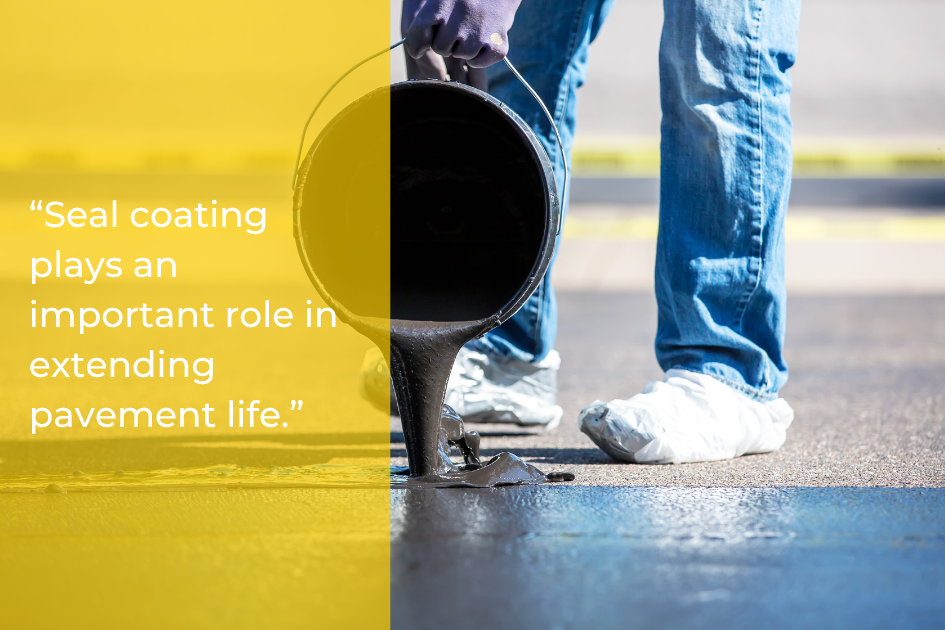
Proper maintenance is essential for extending the life of asphalt pavement, and seal coating plays an important role in this process. So, how long does asphalt pavement last? Regular seal coating greatly enhances durability by protecting against UV rays, moisture, and oil spills. As a Central Texas paving contractor, we understand that extreme weather conditions can accelerate wear and tear. By applying a fresh seal coat, we not only improve the aesthetics of your parking lot but also prevent costly parking lot repair in the future. For those seeking reliable Austin asphalt paving services, seal coating is a proactive step to guarantee longevity and resilience. Let’s work together to safeguard your investment and extend the life of your asphalt surfaces.
Crack Sealing
After guaranteeing the integrity of asphalt surfaces through seal coating, it’s important to address another key aspect of maintenance: crack sealing. This process prevents water infiltration, which can lead to more severe damage, like potholes. By engaging a Georgetown asphalt contractor or a Round Rock paving company, we can effectively target these vulnerabilities. Cedar Park asphalt services and San Marcos paving contractors highlight the importance of timely crack sealing to extend pavement life. Regularly sealing cracks not only enhances durability but also maintains aesthetics, fostering a safer environment for everyone. With professionals like Bennett Paving, we can guarantee our asphalt remains in prime condition, reinforcing our commitment to longevity and quality in our community.
Routine Inspections and Repairs
While regular maintenance may seem like an added expense, routine inspections and repairs are vital for extending the life of asphalt pavement. By identifying issues early, we can address minor cracks and surface wear before they escalate into costly repairs. Regular inspections help us assess the condition of the pavement, considering factors like weather impacts and traffic load. When we schedule timely repairs, such as crack sealing and patching, we maintain surface integrity, prevent water infiltration, and enhance overall durability. This proactive approach not only saves us money but also prolongs the lifespan of our asphalt. Together, let’s commit to a maintenance routine that guarantees our asphalt remains resilient against the elements, fostering a safer, more reliable surface for all.
When Should Asphalt Pavement Be Repaired vs. Replaced?
When evaluating whether to repair or replace asphalt pavement, we need to take into account the extent of damage and overall condition. Minor cracks and surface deterioration often indicate that repair is sufficient, while extensive cracking and structural issues may signal the need for replacement. By recognizing these signs, we can make informed decisions that enhance the longevity of our pavement.
Situations Where Repairs Make Sense
Determining whether to repair or replace asphalt pavement requires careful analysis of its condition and the extent of damage. When we see minor cracks or surface wear, repairs often make sense. For instance, if we notice localized issues like small potholes or surface raveling, addressing these promptly can extend the pavement’s lifespan considerably. Additionally, if the underlying structure remains solid, resurfacing may be a viable option, providing a fresh layer without the need for complete replacement. Regular maintenance practices, like sealing and crack filling, also prove effective in prolonging the pavement’s durability. By evaluating these factors together, we can make informed decisions that not only save costs but also enhance the longevity and functionality of our asphalt surfaces.
Signs Replacement May Be Necessary
After addressing minor issues like cracks and potholes, we must recognize when asphalt pavement has deteriorated to a point where replacement is the only viable option. If we notice extensive surface raveling, large areas of alligator cracking, or significant structural damage, it’s time to evaluate replacement. Additionally, if water pooling becomes frequent, it indicates underlying issues that repairs can’t fix. We should also be wary of pavement that’s sunk or has uneven surfaces, as these can pose safety hazards. Regular inspections help us catch these signs early, ensuring we maintain a safe and functional surface. We have to prioritize not just aesthetics but also performance to avoid costly future repairs.
Why Professional Asphalt Maintenance Matters
Professional asphalt maintenance is essential for guaranteeing the longevity and durability of our pavement, especially given the unique challenges posed by the Central Texas climate. Regular maintenance helps us identify and address issues like cracks and potholes before they escalate, preserving the integrity of our surfaces. By investing in professional services, we ensure that our asphalt can withstand extreme heat, flooding rains, and occasional freezes, all of which can greatly impact its lifespan. Local contractors possess the expertise to navigate these specific conditions effectively. Additionally, they provide valuable tips for ongoing care, fostering a sense of community and shared responsibility. Ultimately, proactive maintenance not only extends the life of our asphalt but also enhances safety and aesthetics for everyone.
Protect Your Investment for Years to Come
Asphalt pavement is a significant investment, and its lifespan depends largely on the care it receives over the years. While factors such as traffic, weather, and installation quality all play a role, proactive maintenance can make a substantial difference in how long your pavement lasts. Services like seal coating, crack sealing, and timely repairs help protect asphalt from damage, improve safety, and preserve its appearance and functionality. By addressing small issues before they become costly problems, property owners can maximize the value of their pavement and avoid premature replacement. If you are looking to extend the life of your asphalt surface, the experienced team at Bennett Paving proudly serves Austin, Round Rock, Georgetown, Cedar Park, San Marcos, New Braunfels, and surrounding Central Texas communities with professional paving, maintenance, and repair solutions. Contact Bennett Paving today to learn how we can help keep your asphalt pavement strong, attractive, and durable for years to come.
