
Central Texas pavement can hit 140°F or more on peak summer days, and that heat accelerates asphalt oxidation fast. We can’t stop the UV or the thermal cycling, but we can seal the surface before temperatures spike and moisture finds a path in. When we time sealcoating for dry, mild conditions, we lock in binders and slow down cracking. The key is knowing what to apply, when, and why it works here…
Why Summer Heat Damages Asphalt in Central Texas
In Central Texas, we see summer UV accelerate oxidation, stripping asphalt binder oils and leaving the surface brittle. When pavement temperatures spike, we’ll also get surface softening that scuffs, ruts, and opens the door to rapid wear under traffic. Once those heat-stressed microcracks form, we can’t ignore moisture; water intrusion through cracks and edges weakens the base and turns minor damage into premature failure.
UV Rays and Oxidation
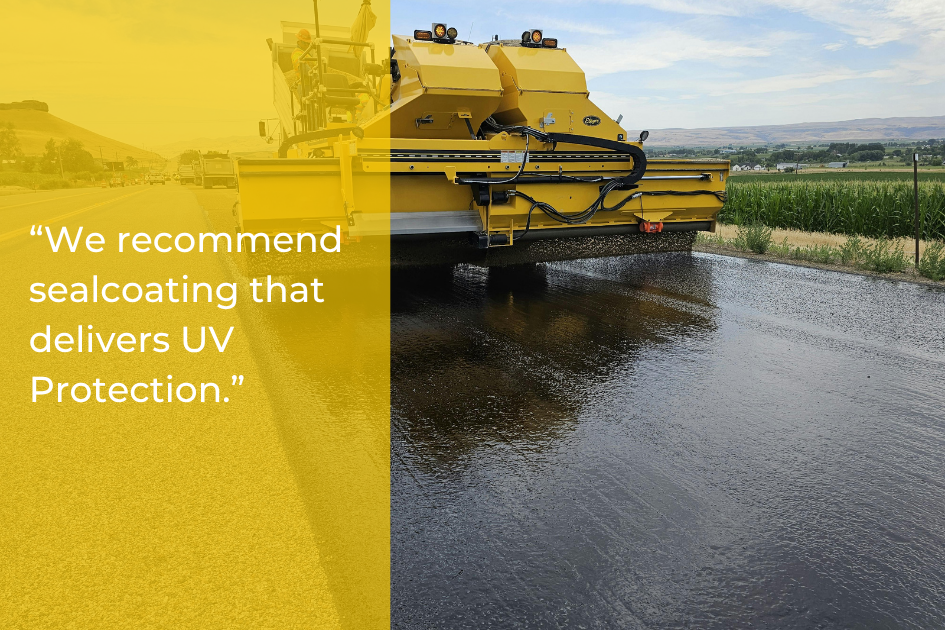
Because Central Texas summers combine intense UV exposure with prolonged high surface temperatures, asphalt here oxidizes faster than it would in milder climates. UV photons break down the asphalt binder’s molecular chains, driving off oils and resins that keep pavement flexible. As the binder dries and stiffens, we’ll see color fading, micro-raveling, and hairline cracking that invites water and contaminants. To protect your surface, we recommend sealcoating that delivers UV Protection by reflecting radiation and shielding the binder. Timely crack filling supports Oxidation Prevention by limiting oxygen pathways into the mat during peak summer months.
High Temperatures and Surface Softening
UV damage dries and stiffens the binder, and Central Texas heat then pushes that same binder toward the opposite failure mode, surface softening. When surface temperature climbs past the binder’s softening point, traffic loads knead the top mat, causing scuffing, rutting, and shiny “bleed” spots that reduce skid resistance. We’ll often see turning areas and parking stalls deform first because shear forces spike there. As the mix softens, asphalt flexibility drops in a practical sense: it moves too easily, then cools into permanent waves. Sealcoating before peak heat helps stabilize the surface and slow heat-driven distress.
Moisture and Water Intrusion
Even during a Central Texas summer, water still finds a way into asphalt through hairline cracks, unsealed joints, and raveled edges, and once it’s in, the pavement starts failing from the inside out. Hot afternoons drive evaporation; then sudden storms and overnight cooling pull moisture deeper, pumping the base with every tire pass. That trapped moisture weakens binder adhesion, strips fines, and accelerates rutting and potholes. We prevent this with moisture control: sealcoat to close surface pores, rout-and-seal cracks, and keep drainage moving off the pavement. Done early, we cut water damage dramatically.
What Is Sealcoating and How Does It Work
Sealcoating is a thin, engineered coating we apply over asphalt to create a protective barrier against Central Texas UV, heat cycling, and water intrusion. It also restores a uniform black finish and helps lock down surface fines, improving appearance and surface integrity before oxidation and raveling accelerate. With timely application and proper prep, we can extend pavement life by slowing aging and reducing the need for premature repairs.
Protective Barrier Against the Elements
Because Central Texas swings from intense summer heat to sudden downpours, we treat sealcoating as a preventative barrier that helps asphalt resist oxidation, moisture intrusion, and surface raveling. When we apply a refined coal-tar or asphalt-emulsion sealer, it forms a continuous film that blocks UV, slows binder volatilization, and reduces water penetration into surface pores. That means fewer freeze-thaw related fractures during rare cold snaps and less softening during heat spikes. As protective measures go, it’s a cost-effective way to stabilize the wearing course, limit aggregate loss, and support asphalt longevity between repairs.
Restoring Appearance and Surface Integrity
Restore a faded, weathered lot, and we’re not just chasing a darker color; we’re reconditioning the pavement’s top layer for Central Texas heat, UV, and sudden rain. We clean, edge, and repair first because contaminants and loose aggregate block adhesion leave weak spots. Then we apply a calibrated sealcoat film that fills micro-voids, binds surface fines, and smooths raveling so water sheds instead of soaking. These restoration techniques tighten the wearing course and sharpen striping contrast for safer traffic flow. With disciplined surface maintenance, you’ll keep the texture uniform and reduce glare and scuffing.
Extending the Life of Asphalt Pavement
A fresh, uniform surface is only part of the payoff; our next goal is to slow oxidation and moisture intrusion so the pavement holds up through Central Texas UV, 100°+ heat, and hard rain. Sealcoating works by applying a refined, asphalt-based or coal-tar emulsion that fills micro-voids, blocks oxygen, and sheds water before it reaches the base. We’ll prep first: clean, edge, and repair cracks so the film bonds instead of peeling. As preventative maintenance strategies, we’ll schedule re-coats on traffic and sun exposure, boosting asphalt longevity and reducing raveling, rutting, and pothole risk.
Benefits of Sealcoating Before Summer
Before the Central Texas heat and UV peak, we’ll sealcoat your asphalt to slow oxidation, reduce moisture intrusion, and help prevent cracking. That protective film lowers lifecycle costs by minimizing patching and base repairs while restoring traction and smoother surface performance for safer traffic. We’ll also refresh the deep black finish, giving your driveway or lot a cleaner, well-maintained look that supports property value.
Prevents Cracking and Oxidation
Lock in protection now, because Central Texas heat and UV accelerate asphalt oxidation and make the surface brittle. Sealcoating lays a refined barrier that slows oxygen and sunlight from stripping binder oils, so your pavement stays flexible instead of chalky. That flexibility helps resist thermal cycling from hot days to cooler nights, which drives hairline fractures into full cracks. We also block moisture entry during sudden storms, reducing base softening and edge break. For asphalt longevity, we recommend scheduling before peak heat and keeping surfaces clean between applications, simple maintenance tips that keep microcracks from propagating.
Saves Money on Long-Term Repairs
One timely sealcoat application ahead of a Central Texas summer can cut long-term repair costs by keeping small defects from turning into full-depth failures. When UV and 100°F+ pavement temps accelerate binder aging, unsealed pores let water migrate into the base during sudden storms, driving stripping, raveling, and potholes. We help you lock out moisture and slow oxidation so you’re not paying for patching, milling, or premature overlays. As preventative maintenance strategies, sealcoating plus crack routing keep deterioration predictable and budgetable. That planning delivers measurable cost savings across drive lanes, parking lots, and private roads.
Improves Safety and Surface Performance
A fresh sealcoat improves traction, visibility, and ride quality when Central Texas heat pushes pavement temps past 100°F and sudden downpours follow. We help you reduce slick film from oxidation and fine raveling, so tires and shoes grip better during flash-rain events. The dark, uniform surface also supports clearer striping and fewer low-light surprises at dusk storms. By sealing microvoids, we limit water intrusion that can pump fines from the base, lowering pothole risk and trip points. These safety enhancements come with better surface durability against UV, heat cycling, and fuel drips.
Enhances Property Appearance
Before Central Texas summer bakes oxidation into your pavement, we can restore a deep, uniform black finish that instantly tightens curb appeal and signals proactive maintenance. Sealcoating fills surface voids, evens color variation, and masks light raveling caused by UV and heat cycling, so your lot looks recently paved instead of weathered. That clean, consistent appearance supports striping contrast and helps visitors read edges, stalls, and crosswalks faster. For property managers, these aesthetic upgrades also communicate risk control: fewer visible cracks mean less perceived neglect. We’ll time the application for warm, dry windows to cure properly.
How Often Should You Sealcoat Asphalt in Texas
In Central Texas, we typically recommend sealcoating asphalt every 2–3 years because intense UV, high surface temps, and sudden downpours accelerate oxidation and moisture intrusion. That sealcoating frequency keeps the binder flexible and slows raveling, fading, and small surface checking. If you see gray, dry-looking pavement, exposed aggregate, or hairline cracks that hold water, we’ll shorten the interval to protect the base. For shaded lots with light traffic, we may extend it slightly, but we still inspect annually. Pair sealing with crack filling and drainage checks for consistent asphalt maintenance.
The Best Time to Sealcoat in Austin and Central Texas
In Austin and Central Texas, we get the best sealcoat performance when daytime highs stay in the mild range, nights don’t drop too low, humidity is manageable, and we’ve got a clear 24–48 hour dry window for curing. Those conditions help the sealer set evenly, bond to the surface, and resist premature tracking, wash-off, or soft spots caused by sudden rain or temperature swings. That’s why we often target April, it typically delivers the most consistent weather window to protect your pavement before peak heat and storm season stress the asphalt.
Ideal Weather Conditions
Because Central Texas weather swings fast, from spring storms to triple-digit heat, our sealcoating schedules in Austin and the surrounding region around stable, dry windows that let the sealer cure evenly and bond tight to the asphalt. We aim for ideal temperatures and optimal moisture levels so water can evaporate at a controlled rate and the film can coalesce without trapping moisture. If conditions drift, we’d rather pause than lock in failure.
- Daytime temps stay moderate, nights don’t dip too low
- Relative humidity stays steady, with no fog or dew risk
- Forecast stays rain-free long enough for full cure time
Why April Is the Perfect Window
While Central Texas still sits between winter’s cold snaps and summer’s extreme heat, April gives us the most dependable curing window for sealcoating, days typically warm into the ideal range, nights stay mild enough to avoid slow film formation, and storm frequency usually drops long enough for the sealer to set, cure, and lock out water before UV and triple-digit temps start accelerating oxidation. Those April Benefits matter: sealer bonds evenly, aggregates seat correctly, and traffic can return sooner. We’ll time Seasonal Maintenance around forecasts, because an early spring seal protects against summer brittleness, raveling, and water intrusion.
The Sealcoating Process: What to Expect

In Central Texas heat and sudden downpours, we start sealcoating with strict surface preparation so the coating bonds and resists moisture intrusion. Next, we’ll seal cracks and handle minor repairs to block water from reaching the base, then apply the sealcoat at the right thickness and cure window for UV and oxidation protection. We’ll also outline what changes between residential driveways and commercial lots, traffic loads, staging, and cure-time constraints, so you’ll know what to expect on your property.
Surface Preparation
A clean, sound surface sets the pace for a sealcoat that can handle Central Texas heat, UV exposure, and sudden downpours. Before we seal, we use proven surface preparation techniques and asphalt cleaning methods to remove dust, oil, and vegetation that block bonding. We’ll blow, broom, and power-wash as needed, then let the pavement dry to the right moisture level so the sealer cures evenly in high temps and humidity swings.
- Clean pores accept sealer, reducing premature oxidation
- Dry, debris-free texture improves adhesion and uniform film build
- Clear edges and shifts prevent water tracking under the coating
Crack Sealing and Minor Repairs
Chase cracks now, and we’ll stop Central Texas water and heat from turning minor openings into base failure. We inspect for longitudinal seams, fatigue cracking, and edge breaks after surface prep, then route or clean to sound asphalt. For crack sealing, we dry the joint, remove dust, and install hot-pour rubberized material sized to movement, so it flexes through 100°F days and sudden storms. We also handle minor repairs: patch raveled spots, reset popped areas, and feather shifts to prevent water tracking under the mat. These steps stabilize the pavement before coatings.
Sealcoat Application
Lock in protection before Central Texas UV, oxidation, and sudden downpours start breaking down your asphalt again. We’ll prep the surface by sweeping, blowing, and edging to remove fines that block adhesion, then mask concrete and utilities. Next, we mix sealer to spec and apply it evenly with calibrated spray or squeegee passes, our Application techniques target uniform film thickness and tight coverage at edges. Expect controlled dry times and restricted traffic until cure.
- Reduces raveling and moisture intrusion
- Improves reflectivity, slowing heat aging
- Extends service life with measurable Sealcoat benefits
Residential vs Commercial Sealcoating Needs
Once the sealer’s down at the right film thickness and we’ve managed cure times, the next step is matching the plan to how the pavement actually gets used. For residential considerations, we focus on light loads, tight turning radii, and drip zones from vehicles, then schedule around sprinklers and shade that can slow curing in humid Central Texas mornings. We also prioritize clean edges and safe reentry for kids and pets. For commercial requirements, we design for higher shear from traffic, delivery trucks, and frequent braking, then add stricter barricading, striping timelines, and shorter downtime windows before summer heat peaks.
Residential vs Commercial Sealcoating Needs
In Central Texas, we treat driveways and parking lots differently because UV exposure, heat cycling, and sudden downpours stress them in distinct ways. We’ll help you set a preventative sealcoating schedule based on traffic load, turning forces, and drainage so water can’t penetrate and oxidize the binder. With the right prep and material selection, we can extend service life while reducing crack growth and surface raveling in both settings.
Driveways
Driveways take the brunt of Central Texas heat, UV exposure, and sudden downpours, so we tailor sealcoating to how the surface actually gets used. For homes, we prioritize driveway maintenance that blocks oxidation, limits raveling, and preserves asphalt aesthetics at the curb line. For commercial driveways, we spec higher-solids sealer and tighter cure windows to handle heavier turning loads and frequent braking without tracking. We’ll help you schedule before sustained 95°F days, so film formation stays uniform.
- Seal cracks first to stop water intrusion into the base
- Improve skid resistance during flash storms
- Reduce heat-driven binder loss and fading
Parking Lots
Parking lots get punished even harder than drive lanes in Central Texas because they combine wide-open UV exposure with stop‑and‑turn shear, fuel drips, and ponding from fast downpours. For residential lots, we prioritize a tight seal to block oxidation, then spot-treat cracks and edges where sprinklers keep the base damp. For commercial lots, we plan around traffic loads: thicker, commercial-grade sealer, sand for skid resistance, and staged closures to keep tenants moving. We’ll also re-stripe after curing, since reflective markings reduce heat gain and improve safety—key parking lot maintenance for asphalt longevity.
Why Choose a Local Austin Sealcoating Contractor
Because Central Texas heat, UV exposure, and sudden downpours age asphalt fast, we get better long-term results when we hire a local Austin sealcoating contractor who understands those stressors and plans for them. With local expertise, we time applications around surface temps, humidity, and cure windows, so the film bonds instead of blushing or tracking. We also benefit from community engagement: local crews notice drainage patterns, shade lines, and traffic loading unique to our site.
- Calibrate sealer mix for UV and oxidation rates
- Prioritize crack sealing before rain-driven base saturation
- Schedule work to avoid peak heat and pop-up storms
Why Property Owners Trust Bennett Paving
Local know-how sets the plan, and Bennett Paving Inc. earns trust by executing that plan with tight process control and materials that stand up to Central Texas UV, heat cycles, and sudden rain. We verify surface prep, moisture conditions, and crack routing so sealer bonds, resists oxidation, and blocks water intrusion before base failure starts. You’ll get clear scheduling, clean edges, and uniform film thickness that won’t track or peel. Our crew uses proven mixes and calibrates spray rates for temperature swings. With community involvement and customer loyalty, we keep communication open and deliver repeatable results.
Conclusion
Central Texas summer turns asphalt from firm and flexible to brittle and failing fast. We can wait for spider cracks and raveling to appear, or we can sealcoat before the heat amplifies UV oxidation and moisture intrusion. That thin, engineered film works like sunscreen and a vapor barrier, locking in binder oils while shedding water. Applied during dry, mild weather, it bonds tight and cures right, extending service life when temperatures soar. Don’t wait for the first heat wave; schedule your sealcoating with Bennett Paving in Austin, TX, now to protect your pavement all summer long.
